
The Importance of Children’s Education in Building a Nation: A Case Study in Kenya
Education as a Fundamental Cornerstone
Education serves as a fundamental cornerstone for the growth and development of any nation. It is widely accepted that a well-educated populace is crucial for driving innovation, economic stability, and social cohesion. In many countries, including Kenya, education has been recognized as a pivotal factor that influences socio-economic progress. The historical context of education in Kenya reveals a significant evolution, from traditional learning systems to the modern formal education structure currently in place.
In Kenya, the education system has undergone transformative changes since its inception during colonial times. Initially, education was primarily accessible to a small elite population, which fostered socio-economic disparities. However, post-independence, the government made considerable efforts to expand access to education, recognizing its importance in fostering a sense of national identity and promoting socio-economic growth. Initiatives such as the 1980 Education Act emphasized the need for universal primary education, resulting in increased enrollment rates and improved literacy levels.
Furthermore, education in Kenya has evolved to encompass not only academic knowledge but also vocational training and life skills, which are essential for individuals to thrive in an increasingly competitive global economy. The integration of technology in education has opened new avenues for learning and access to information, thereby enhancing the overall educational experience. The importance of education in fostering economic growth cannot be overstated, as an educated workforce is essential for attracting investments, creating job opportunities, and fostering innovation.
In conclusion, education stands as a crucial pillar of national development in Kenya. As the country continues to navigate various challenges, investing in education remains a priority. Through a commitment to quality education for all, Kenya can build a stronger and more prosperous nation for future generations.
Current State of Education in Kenya
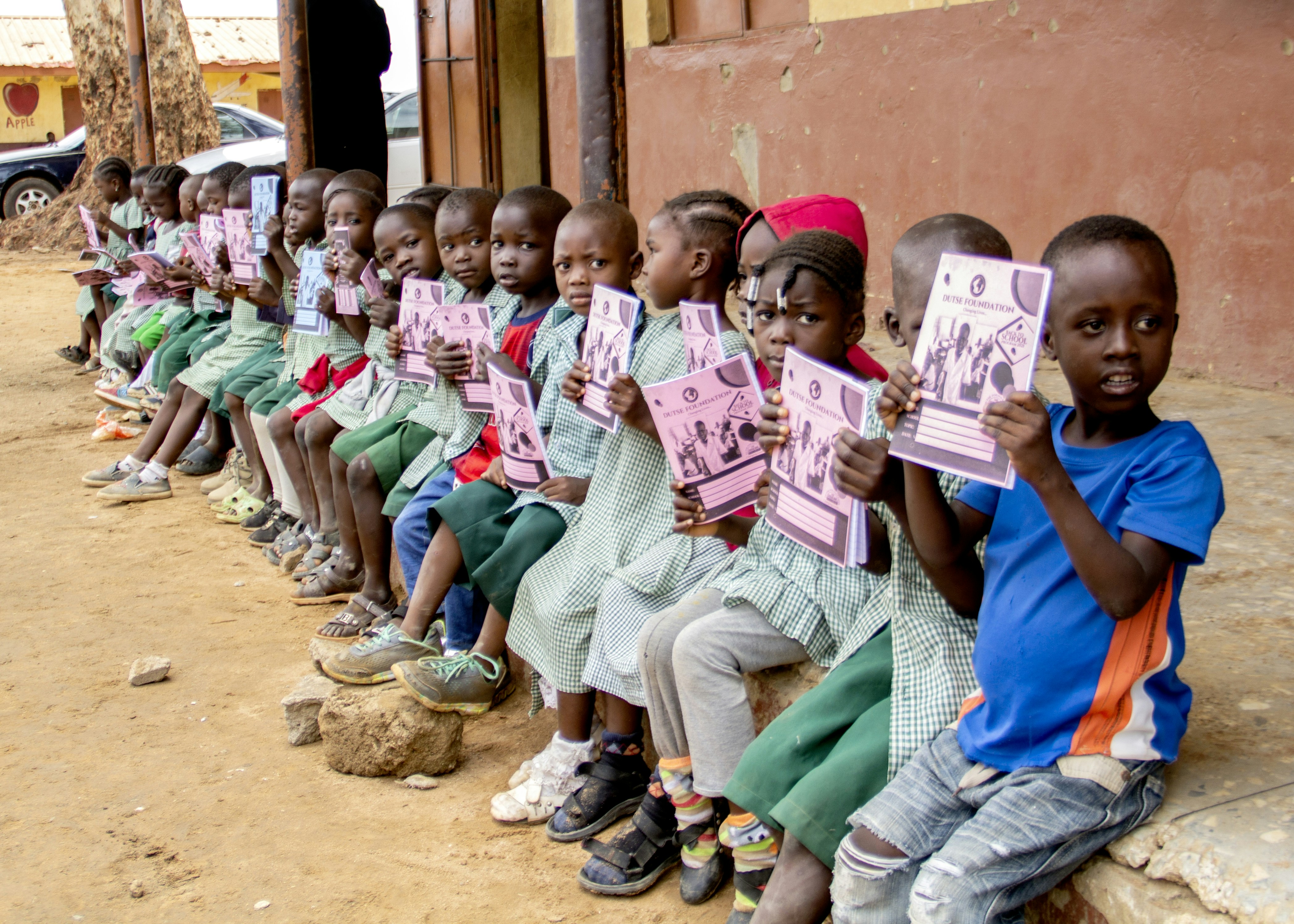
The education system in Kenya has seen significant developments over the years, focusing on enhancing access to quality education for children across the nation. The government has made ambitious strides, particularly with the introduction of free primary education in 2003, which aimed to increase enrollment rates and ensure that all children have the opportunity to attend school. This initiative resulted in a remarkable increase in student enrollment, especially in rural areas where financial constraints were previously a barrier.
Despite these advancements, the quality of education remains a pressing concern. The curriculum has undergone transformations to better prepare students for a rapidly changing world, including recent shifts toward competency-based education. However, the implementation of these policies has been inconsistent, often hampered by inadequate infrastructure, limited resources, and disparities in teacher training. Many schools in underserved areas struggle with inadequate facilities, including insufficient classrooms, lack of teaching materials, and overcrowded environments, which negatively impact the learning experience.
The divide in educational opportunities is particularly stark between urban and rural regions. Urban schools often have better access to resources, technology, and qualified educators, while rural schools lag in these critical areas. Additionally, socio-economic factors further exacerbate these disparities, where children from low-income families may not have the same educational support as their peers. This inequality raises concerns about the overall effectiveness of the educational system and its ability to produce well-rounded, knowledgeable individuals capable of contributing to national growth.
Government initiatives to address these issues continue to evolve, but challenges remain. Enhanced investment in educational infrastructure, increased teacher training programs, and a focus on equalizing opportunities for all children, regardless of their background, are essential to shaping a brighter future for education in Kenya.
Education serves as a cornerstone for both economic growth and social development, particularly in the context of Kenya. A well-educated populace contributes significantly to the economy by creating a skilled workforce that is better positioned to meet the demands of modern industries. When individuals attain higher levels of education, they often gain greater employment opportunities, leading to increased income levels. This upward mobility not only diminishes poverty rates but also enhances productivity across various sectors, driving overall economic advancement.
Furthermore, education plays a critical role in fostering social development. It promotes gender equality by enabling women and girls to access the same educational resources as their male counterparts. Enhanced educational opportunities for women lead to a more equitable society where women can participate fully in economic activities and make informed decisions regarding their lives and communities. Research has shown that empowering women through education leads to better health outcomes for families, as educated mothers are more likely to prioritize their children’s education and health.
Additionally, education reduces crime rates and promotes civic engagement. Individuals who are educated are more likely to understand their rights and responsibilities, leading to greater participation in democratic processes and community initiatives. Case studies from various communities in Kenya illustrate these benefits. For instance, in areas where educational programs were introduced, crime rates have decreased significantly, attributing this shift largely to increased awareness and opportunities available to the youth. Moreover, initiatives like adult literacy programs have transformed entire neighborhoods, fostering a culture of learning and collaboration.
In essence, the impact of education on economic growth and social development in Kenya cannot be overstated. It not only elevates individual potential but also lays the foundation for a thriving, equitable society. By investing in education, Kenya can build a brighter future for its citizens, contributing to national progress and sustainable development.
Challenges and Recommendations for Future Educational Development
The education sector in Kenya faces multiple challenges that hinder its effectiveness and overall impact on national development. One significant issue is inadequate funding, which has led to limited resources for schools, poorly maintained infrastructure, and a lack of essential teaching materials. This financial constraint has a direct correlation with the quality of education provided, often resulting in students receiving a substandard learning experience.
Additionally, the nation suffers from a persistent shortage of qualified teachers. Many educational institutions struggle to attract and retain skilled professionals due to low salaries and difficult working conditions. This contributes to overcrowded classrooms and increases the student-teacher ratio, further diminishing the quality of education delivered. The situation is compounded by high dropout rates, particularly among students from disadvantaged backgrounds. Factors such as poverty, cultural expectations, and the necessity for children to contribute economically to their families often overshadow educational pursuits.
To address these challenges, several actionable recommendations can be proposed for policymakers and stakeholders involved in educational development. Firstly, increasing budget allocations for education would enable schools to secure better facilities, teaching materials, and resources necessary for effective learning. Secondly, it is crucial to enhance teacher training programs to ensure educators are well-prepared and supported throughout their careers. Professional development opportunities can help retain qualified teachers by providing avenues for growth and advancement.
Furthermore, implementing community-based initiatives can foster family involvement in the educational process, ultimately reinforcing the value of education within communities. Encouraging parental engagement in schools can enhance accountability and create a supportive environment for children. By prioritizing these recommendations, Kenya can improve its education system and pave the way for a brighter future, leading to a more prosperous nation overall.
Discover more from Global Impact Vision
Subscribe to get the latest posts sent to your email.